Key Takeaways
Branded promotional products serve as a tangible and visible extension of a company’s brand, appearing in various everyday settings and influencing customer, prospect and employee experiences. When integrated thoughtfully into marketing strategies, these products can drive growth by enhancing brand engagement and loyalty.
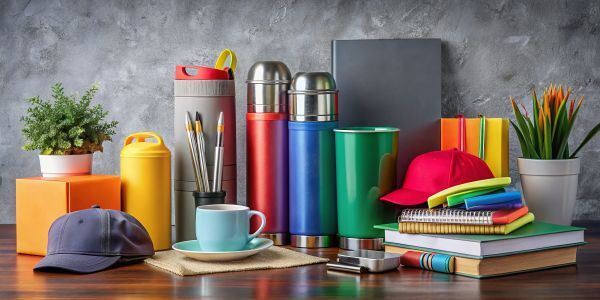
Every day, your brand shows up in places you’re not. It’s on desks, in cars, at job sites, in conference bags and in home offices. Promotional products are one of the most visible, tangible ways customers, prospects and employees experience your business.
The most effective companies treat promotional products as part of their overall brand experience. They think about where their merchandise will be used, who will see it and what it communicates about their business.
The result is marketing that continues working long after a campaign or event ends.
Below are several ways businesses use branded merchandise to support growth by shaping how people experience their brand.
Use Targeted Merchandise Kits to Support Account-Based Marketing
Personalized outreach, deeper engagement, higher conversion
Account-based marketing focuses on building real relationships with a small number of high-value prospects.
Instead of sending standard sales materials, organizations create curated kits tailored to key decision-makers. These packages emphasize quality and presentation. The goal is to make the recipient feel recognized, valued and respected.
Examples include:
- Luxury travel sets with high-end luggage, toiletries and comfort items.
- Gourmet food and beverage collections paired with tasting notes.
- Wellness kits featuring premium skincare and relaxation products.
- Name-brand tech gifts, such as wireless charging stations or noise-canceling headphones.
- Premium golf kits with branded headcovers, towels and personalized accessories.
By pairing personalization with premium quality, targeted merchandise kits strengthen trust and help shorten complex sales cycles.
Drive Engagement Through Limited-Edition Merchandise
Exclusivity, urgency, higher participation
When a piece feels rare, well-designed and culturally aware, people pay attention. People talk about it. They wait in queues for it. They treat it like a find.
Companies use limited-run merchandise to tap into this dynamic by releasing small batches that feel thoughtful, timely and personal.
Examples include:
- Apparel drops designed around current design or streetwear trends.
- Playful, self-aware merch that leans into humor or inside jokes.
- Collaborations with local artists, designers or creators.
- Retro-inspired pieces that reference earlier eras of the brand.
- Seasonal “drops” that reflect what customers are doing right now.
Limited-edition merchandise helps companies earn attention. It builds excitement, strengthens community and turns customers into active participants in the brand’s story.
Connect Branded Merchandise to Digital Marketing Campaigns
Higher engagement, stronger follow-through, better conversion
Digital marketing lives on screens. Promotional products give digital marketing a physical presence.
Companies use physical items to connect digital content to everyday life through QR codes, landing pages and event registrations. Instead of ending with a click, the experience continues through a product that stays visible long after the interaction.
Examples include:
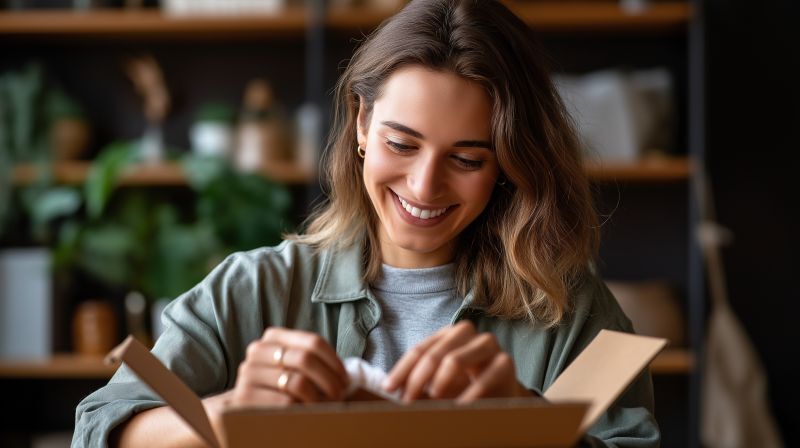
- Branded kits mailed to webinar or virtual event participants.
- Product sample packs tied to online tutorials or demos.
- Social media challenge prizes designed for sharing.
- Launch-day packages that pair physical items with digital access.
- Subscription or loyalty rewards unlocked through online actions.
These programs work because they create continuity. The merchandise becomes a reminder of the campaign and a prompt to keep engaging.
Turn Customers and Employees into Ambassadors
Organic promotion, expanded reach
Some of the most effective marketing happens when people choose to represent your brand and talk about it without being asked. The strongest branded merchandise sparks curiosity.
When a product is high quality, unique, and fits naturally into someone’s lifestyle, it invites questions. Where did you get that? Who made it? What’s that from? Those conversations, along with social posts and shares, extend your brand’s reach through trusted personal networks.
Examples of ambassador-driven merchandise include:
- Limited-edition hoodies or jackets with minimalist branding.
- Tote bags with clever messaging.
- Curated lifestyle kits built around travel, fitness or beauty.
- Tech accessories with a clean design and good quality.
When customers and employees enjoy the merchandise they receive, advocacy happens. Their everyday use and social sharing increase visibility, reinforce credibility, and support long-term growth through word of mouth.
Use Merchandise to Share Your Values and Vision
Differentiation, brand depth
Many organizations use branded merchandise to reinforce values that they want to be known for, such as sustainability, craftsmanship, innovation, community involvement or customer care.
These signals matter, especially to audiences who look for alignment between what companies say and what they do.
Examples include:
- Apparel produced through ethical manufacturing programs.
- Repair kits with a simple “keep it going” message.
- Limited-run collaborations with local or small-batch makers.
- Items that evolve with use, like a patch system for apparel or tote bags.
- Packaging that becomes part of the product, like a box that converts into a desktop organizer.
When products, materials and packaging support those values, they strengthen credibility and deepen trust. Over time, this consistency helps distinguish your brand in competitive markets.
Use Branded Merchandise to Open Doors at Events
Lead generation, credibility, starting relationships
For many businesses, promotional products play a role in the first meaningful interaction with a potential customer. This might happen at a trade show, industry event, sales meeting, facility tour or introductory presentation.
Companies that use merchandise effectively at this stage focus on creating a memorable introduction to their brand. Instead of handing out generic giveaways, they choose items that feel relevant and aligned with their positioning.
Examples include:
- Branded bag of coffee for early-morning meetings.
- Tech pouch for chargers and accessories.
- Yoga mat strap, gym towel or fitness accessory.
- Leather or canvas notebook with subtle branding.
- Reusable insulated lunch bag or cooler tote.
These items give prospects something useful and distinct to take with them, extending the impact of the conversation beyond the initial meeting.
Turning Merchandise into a Growth Tool
The companies that see the strongest results focus on how each promo item fits into real experiences, real relationships, and real moments in their customers’ and employees’ lives.
When promotional products align with business goals and brand values, they stop being one-time expenses and become long-term assets. They support sales, strengthen loyalty, extend marketing campaigns and keep your company visible in meaningful ways.
With the right strategy and the right partner, branded merchandise becomes more than a marketing tool. It becomes part of how your business grows. If you have questions or want to explore trending promo items or options for your business, then contact GO2 Partners and talk to our promo experts. We can help you find the right items and the right strategies for your business goals.